

NEW! - If you’d like to Purchase our Digital Online Magazine, Click Here
HOONLYUN Interview
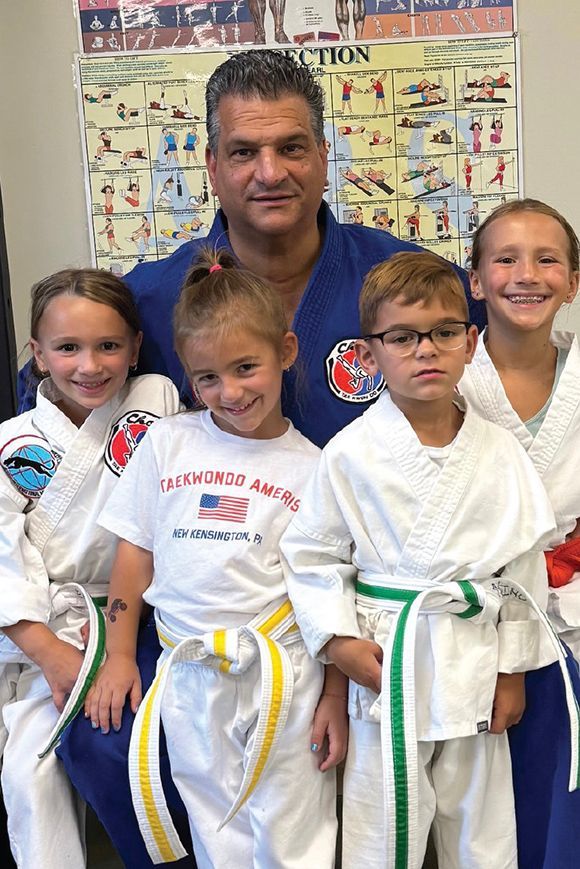
Grandmaster Philip Ameris
A Lifelong Journey in the Martial Arts
My personal aspiration is to continue to learn from and with I acknowledge the importance of each martial art, I believe Taekwondo should be viewed as a positive metaphor for personal growth an improvement. As practitioners progress, their goals and perspectives may evolve. Therefore, what initially attracted you during your Taekwondo journey may no longer be feasible. I often use the metaphor of “adapted and overcome” to illustrate this point.

A Case for Teaching
Non-Violent Self-Defense
Although our parents and teachers taught us to read and write, chances are that they didn’t train us to wisely deal with conflict. Without knowing how to handle conflict peacefully, it is likely that violence had become a readyto- use solution for them. Just as likely, emotion-fueled perceptual blindness made them miss important cues that could have told them when violence wasn’t required.
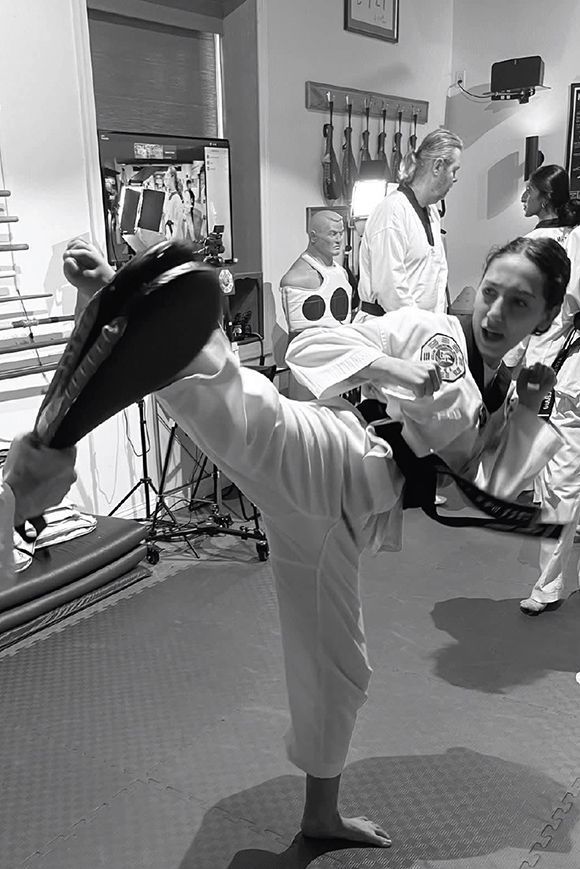
USTA Kicking Seminar
From the Foundational to the Functional
The practice of traditional Taekwondo is a very serious one. We must never forget that we train as martial artists so that we may defend ourselves and those we love from an increasingly violent world. For many of us, proper defensive and offensive kicking would be the way we would defend ourselves if attacked.
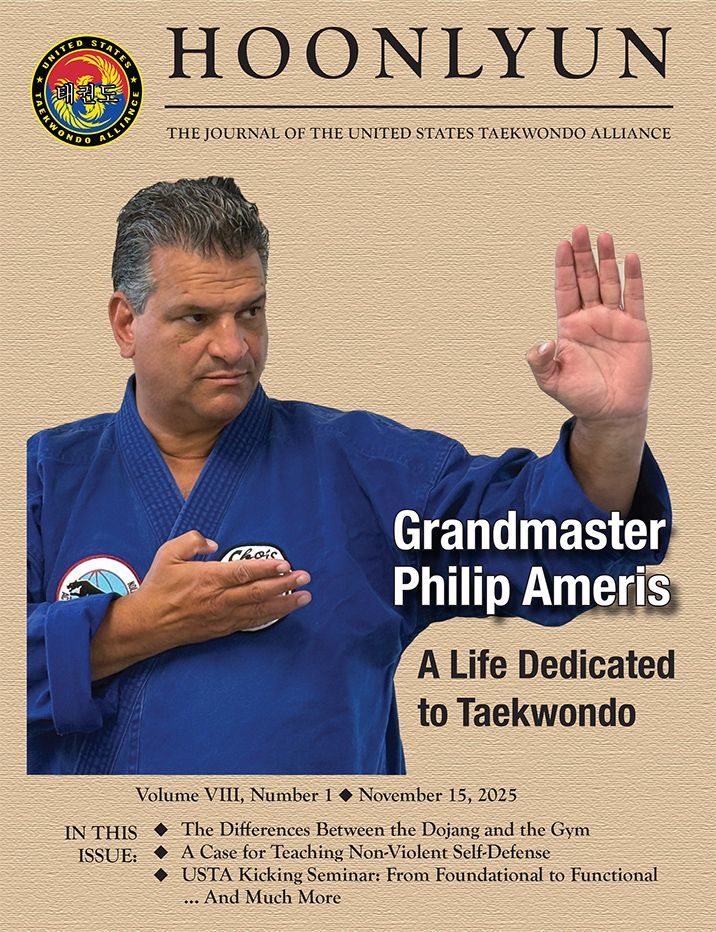
In This Issue:
- USTA Affiliate School News
- A Legacy Lives On: A Tribute to Grandmaster Richard Chun
- The Differences Between the Dojang and the Gym
- Art Feature: Hanbok: Traditional Korean Fashion
- The Academic Component of Taekwondo
- Book Review: The Lost Forms of Oh Do Kwan Taekwondo
Click the Order Now button below to get the complete edition!